What to watch for after a fire incident
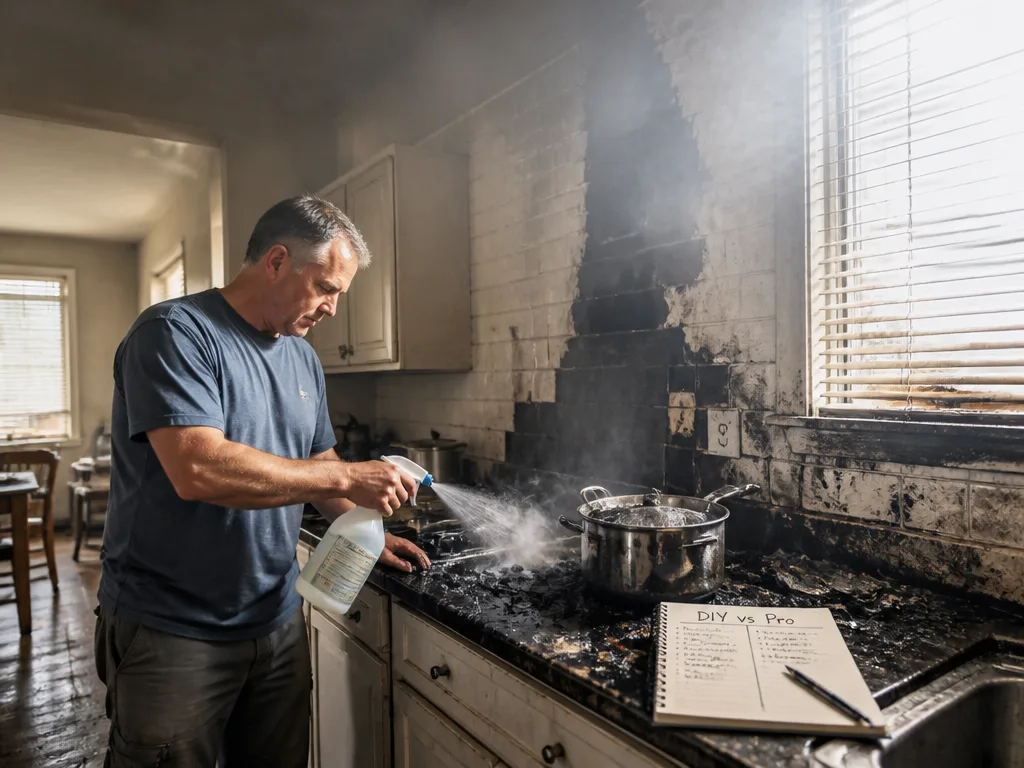
Fire can leave behind unseen damage that isn’t obvious at first glance. Across Illinois, homeowners often notice subtle indicators long before specialists are called. Wariness is key. If you smell lingering smoke or notice discoloration on ceilings and walls, it can signal continued problems that need professional assessment.
In Illinois homes, heat can set insulation and framing under stress. A faint, persistent smoke odor that won’t go away after ventilation is a red flag. Soot, even in small amounts, can travel through vents and settle on surfaces you don’t expect. A proper inspection by our fire & smoke damage specialists helps identify hidden damage that could threaten your home later.
Common indicators that deserve a professional look
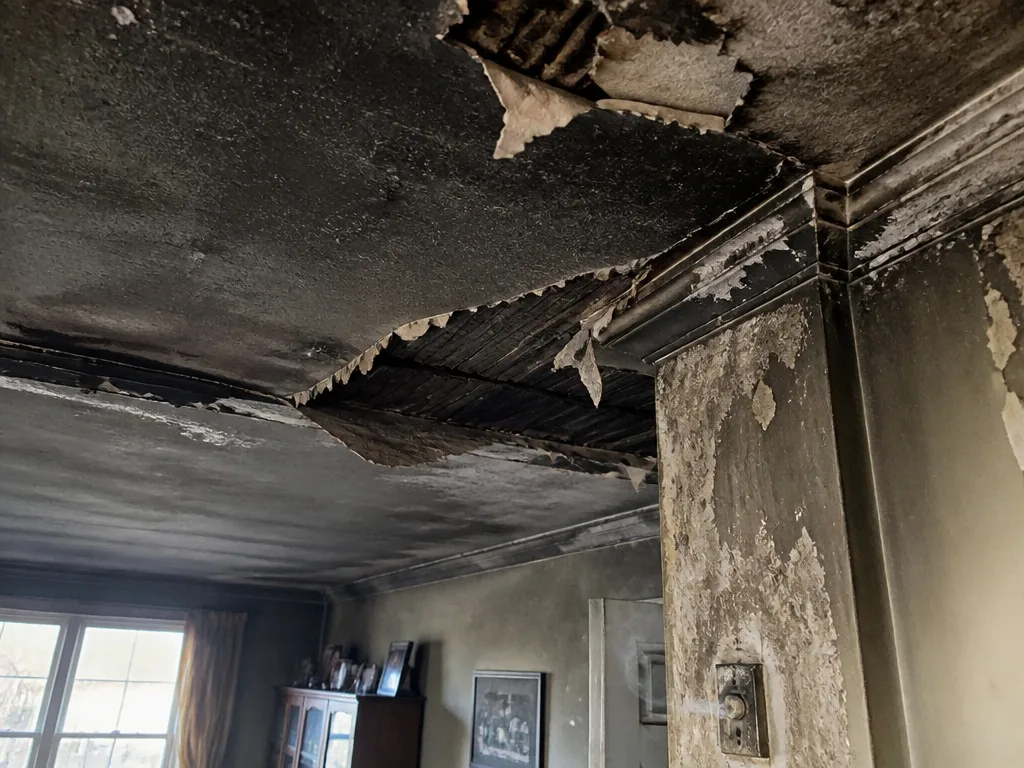
Black or grey soot on walls, ceilings, or electronics is not just a nuisance. It can indicate contamination that affects air quality. Water damage from firefighting efforts often leaves staining and a musty smell. If you notice warped drywall, stained ceilings, or bubbling paint after a fire, that points to moisture and material degradation that needs review by a specialist.
From the panhandle to the Keys mindset, Illinois crews respond to these signals with careful assessments. A comprehensive evaluation covers smoke residue, odor sources, and potential structural issues. Early detection helps prevent further damage and keeps your family safer.
What Illinois homeowners should do first
Document what you observe with photos and notes. Limit entry to affected areas to reduce exposure to airborne contaminants. Contact Illinois Fire & Smoke for a prompt evaluation. Our fire & smoke damage specialist will explain what they find and outline practical next steps tailored to Illinois homes.
Keep a timeline of events from the incident. If utilities were disrupted, arrange for temporary power and fresh air as allowed. A trusted specialist will guide you through securing the space and planning next steps that fit your home’s layout and materials.
Next steps with a professional assessment
After reporting signs, expect a structured process: a thorough inspection, a written scope of work, and clearly defined expectations. Our team uses state-of-the-art equipment to map residues and odors and will walk you through a plan that respects Illinois climate and building practices. You’ll get practical, honest recommendations rather than hype.
When in doubt, call a fire & smoke damage specialist. Across Illinois, trusted crews in every Illinois metro are ready to help you understand what’s happening and how to address it effectively.